
Actinidia arguta
Kiwi berries
Kiwiberries, also known as mini kiwis, are hardy down to -25°C. A male kiwiberry (Actinidia arguta) pollinates up to 6 female kiwiberries (Actinidia arguta) within a radius of approx. 25 meters, allowing them to bear fruit.
You can find all the information about growing kiwiberries in our guides.
-
Kiwi Berry Duo - 2 plants (Actinidia arguta)
Normaler Preis €37,90Normaler PreisStückpreis pro€39,80Angebotspreis €37,90Sale -
Kiwi Berry Trio - 3 plants (Actinidia arguta)
Normaler Preis €55,90Normaler PreisStückpreis pro€59,70Angebotspreis €55,90Sale -
Kiwiberry Quartet - 4 plants (Actinidia arguta)
Normaler Preis €74,90Normaler PreisStückpreis pro€79,60Angebotspreis €74,90Sale -
Kiwiberry Quintet - 5 plants (Actinidia arguta)
Normaler Preis €92,90Normaler PreisStückpreis pro€99,50Angebotspreis €92,90Sale -
Male kiwiberry - mini kiwi (Actinidia arguta)
Normaler Preis €19,90Normaler PreisStückpreis pro -
Kiwiberry Geneva - Minikiwi (Actinidia arguta)
Normaler Preis €19,90Normaler PreisStückpreis pro€19,90Angebotspreis €19,90 -
Kiwiberry Pink Jumbo - Minikiwi (Actinidia arguta)
Normaler Preis €19,90Normaler PreisStückpreis pro -
Kiwiberry Chang Bai - Minikiwi (Actinidia arguta)
Normaler Preis €19,90Normaler PreisStückpreis pro -
Kiwiberry Scarlet September - Minikiwi (Actinidia arguta)
Normaler Preis €19,90Normaler PreisStückpreis pro -
Kiwiberry Kiwiri® Victoria - Minikiwi (Actinidia arguta)
Normaler Preis €19,90Normaler PreisStückpreis pro -
Kiwiberry Kiwiri® Mariered - Minikiwi (Actinidia arguta)
Normaler Preis €19,90Normaler PreisStückpreis pro -
Kiwiberry Bingo - Minikiwi (Actinidia arguta)
Normaler Preis €19,90Normaler PreisStückpreis pro -
Kiwiberry Kiwiri® Red Beauty - Minikiwi (Actinidia arguta)
Normaler Preis €19,90Normaler PreisStückpreis pro -
Kiwiberry Kiwiri® Fit-Berry Jassai - Minikiwi (Actinidia arguta)
Normaler Preis €19,90Normaler PreisStückpreis pro -
Kiwiberry Kiwiri® Cinderella - Minikiwi (Actinidia arguta)
Normaler Preis €19,90Normaler PreisStückpreis pro -
Kiwiberry Kokuwa - Minikiwi (Actinidia arguta)
Normaler Preis €19,90Normaler PreisStückpreis pro


Actinidia arguta
Kiwi berries
One of the outstanding features of the kiwiberry is its exceptionally good taste. The fruits combine the sweetness of a gooseberry with the tropical, fresh tartness of a kiwi.
Instead of traveling halfway around the world like kiwis, you can grow them yourself. In your garden, on the patio, or on the balcony.

for a good start
Location
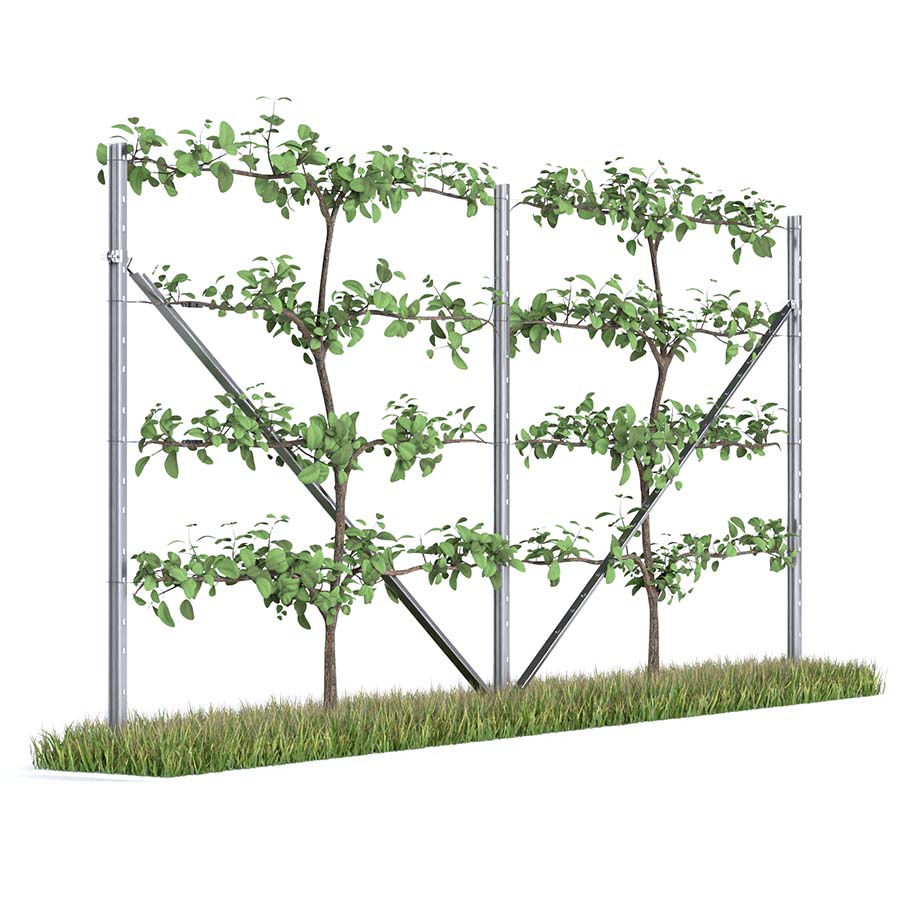
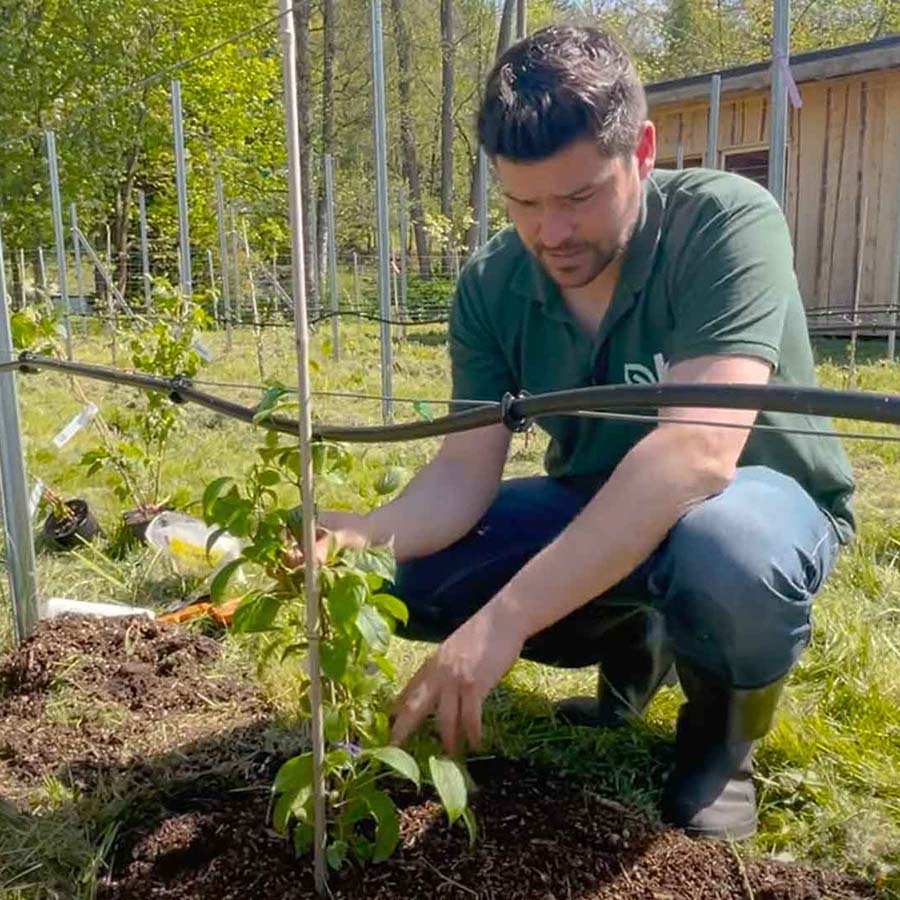
Kiwi berries must be kept outdoors in both summer and winter. They prefer a partially shaded to sunny location. As they are climbing plants, they require a support structure (e.g., trellis, pergola, garden fence).
The soil should be slightly acidic and able to retain water well so that the roots do not dry out.
Winter hardy and robust
Care
Kiwi berries are extremely robust, easy to care for, and hardy down to -25°C.
They do not require any extraordinary care, just regular watering, pruning if necessary, and fertilizer. Winter protection is not required.

Bee-friendly
Pollination
For fruit to develop, female flowers must be fertilized by pollen from male flowers. Fortunately, insects, primarily bees, do this for us.
For this, they only need a male kiwiberry (Actinidia arguta) nearby.

Vitamin C Booster
Superfood
Despite their high vitamin C content, kiwiberries offer a balanced sweet-tart flavor. They are also rich in antioxidants and fiber, making them a great addition to a healthy diet.
Refrigerated, kiwiberries last for several weeks, and even several months when frozen.
Family tradition
Our Kiwi Nursery
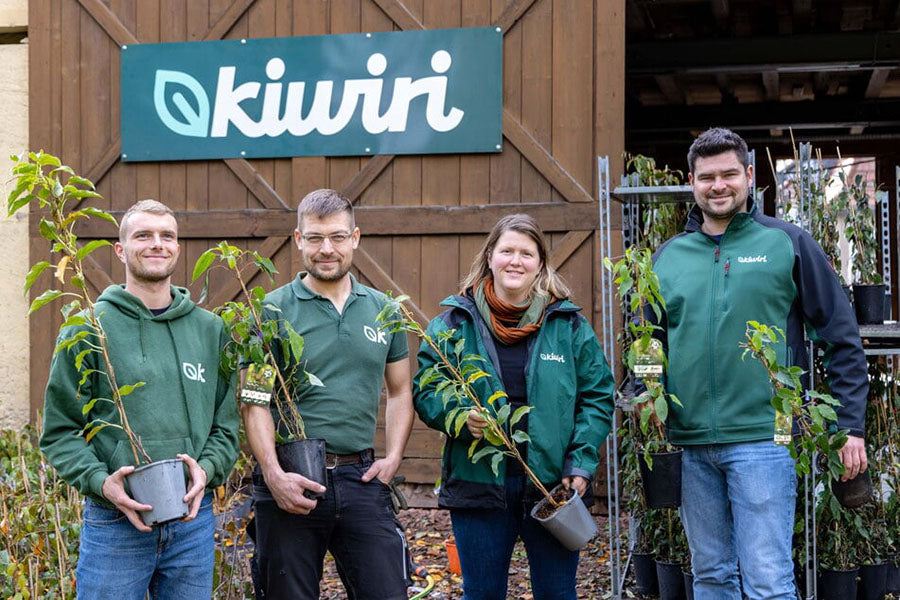
We have been growing kiwifruit plants in our nursery since the 1980s. We support home gardeners and farmers with their cultivation and ship our plants throughout Europe.
Our nursery team is always available to answer any questions you may have about our plants.
For your kiwi berry garden
-
garden tools
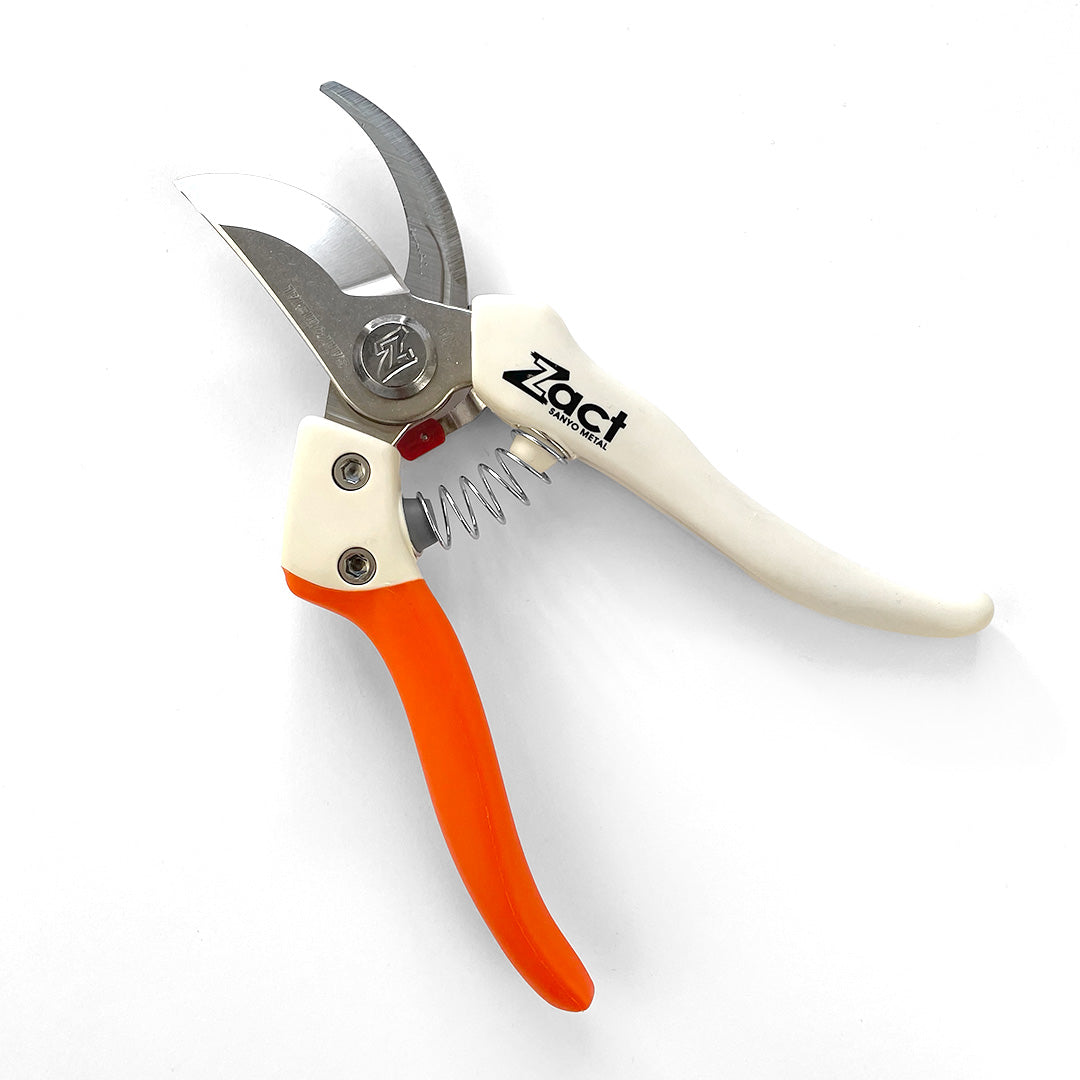
Reliable garden tools for your kiwi garden – used daily by our...