

Allgemein |
|
|---|---|
| Art | Kiwiberry (Actinidia arguta) |
| Sorte | Kiwiri® Romeo, Kiwiri® Flower Cloud or Weiki |
| Alter (bei Lieferung) | ca. 2 Jahre |
| Größe (bei Lieferung) | 60 - 80 cm |
| Pflanzzeit | ganzjährig, nach dem letzten und vor dem ersten Frost |
| Bestäubung | Bestäubersorte for up to 6 kiwi berries (Actinidia arguta) within a radius of approx. 25 meters |
| Blütezeit | Ende Mai – Anfang Juni |
| Blüte / Ertrag | jährlich, ab 2. – 4. Standjahr |
Standort & Pflanzung |
|
|---|---|
| Lichtverhältnisse | halbschattig bis sonnig |
| Winterhärte | bis -25°C |
| Winterschutz | kein Schutz notwendig, in Spätfrostlagen frische Austriebe bei Frost abdecken |
| Boden | säuerlich-humos (z.B. Rhododendronerde) |
| Wasserbedarf | moderat, Wurzeln feucht halten |
| Düngung | Kiwibeeren-Dünger |
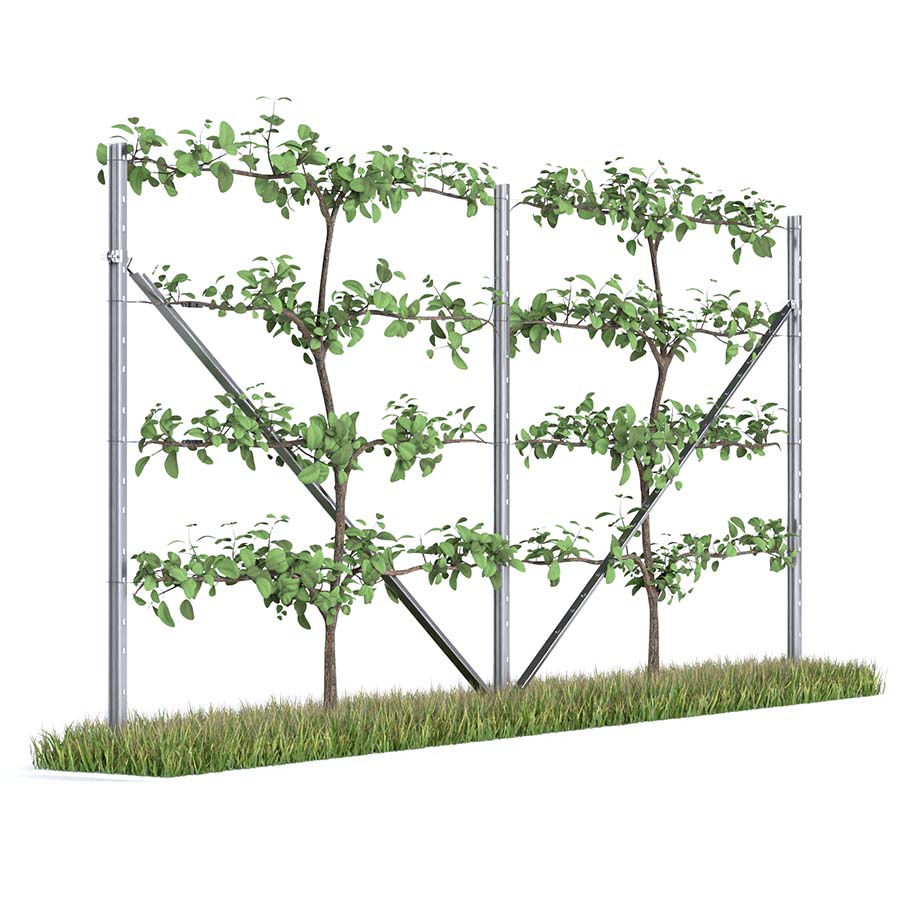
| Wachstum | Kletterpflanze, Rankhilfe erforderlich z.B. Gartenzaun, Spalier (Kiwiri RANKI™), Pergola |
| Pflanzort | im Außenbereich (Garten, Balkon, Terrasse) |
| Pflanzart | im Boden oder Topf (ca. 40 l Volumen) |
| Wurzelsystem | Flachwurzler |
| Empfohlener Pflanzabstand | 1 - 2 m |
Früchte |
|
|---|---|
| Erntezeit | Early ripening time (September),Medium ripening time (beginning of October),Late ripening time (end of October) |
| Fruchtfleisch | |
| Fruchtschale | |
| Fruchtgewicht | |
| Aroma | |
Kiwi berry variety comparison
Sorten-Auswahl
Wähle aus, welche Sorten in der Vergleichstabelle angezeigt werden.
| Sorte | ||||||||||||||||||||||
|---|---|---|---|---|---|---|---|---|---|---|---|---|---|---|---|---|---|---|---|---|---|---|
| Verfügbarkeit | Auf Lager | Auf Lager | Nicht verfügbar | Auf Lager | Nicht verfügbar | Auf Lager | Auf Lager | Auf Lager | Auf Lager | Auf Lager | Auf Lager | Auf Lager | Nicht verfügbar | Auf Lager | Auf Lager | Auf Lager | Auf Lager | Auf Lager | Auf Lager | Auf Lager | Nicht verfügbar | Nicht verfügbar |
| Alternative Sorte |
 Kiwiberry Lucy - Minikiwi (Actinidia arguta) |
 Kiwiberry Geneva - Minikiwi (Actinidia arguta) |
 Kiwiberry Kiwiri® Red Jumbo - Minikiwi (Actinidia arguta) |
Kiwiberry Kiwiri® Red Jumbo - Minikiwi (Actinidia arguta)
|
 Kiwiberry Scarlet September - Minikiwi (Actinidia arguta) |
 Kiwiberry Chang Bai - Minikiwi (Actinidia arguta) |
 Kiwiberry Domino - Minikiwi (Actinidia arguta) |
 Kiwiberry Kiwiri® Fresh Jumbo - Minikiwi (Actinidia arguta) |
 Kiwiberry Ananasnaya - Minikiwi (Actinidia arguta) |
 Kiwiberry Kokuwa - Minikiwi (Actinidia arguta) |
Kiwiberry Kiwiri® Fresh Jumbo - Minikiwi (Actinidia arguta)
|
 Kiwiberry Kiwiri® Victoria - Minikiwi (Actinidia arguta) |
 Kiwiberry Kiwiri® Fit-Berry Jassai - Minikiwi (Actinidia arguta) |
Kiwiberry Scarlet September - Minikiwi (Actinidia arguta)
|
 Kiwiberry Kiwiri® Mariered - Minikiwi (Actinidia arguta) |
 Kiwiberry Kiwiri® Red Beauty - Minikiwi (Actinidia arguta) |
Kiwiberry Kiwiri® Mariered - Minikiwi (Actinidia arguta)
|
 Kiwiberry Kiwiri® Cinderella - Minikiwi (Actinidia arguta) |
 Kiwiberry Kiwiri® Super Jumbo - Minikiwi (Actinidia arguta) |
Kiwiberry Kiwiri® Fit-Berry Jassai - Minikiwi (Actinidia arguta)
|
Kiwiberry Kiwiri® Fit-Berry Jassai - Minikiwi (Actinidia arguta)
|
Kiwiberry Kiwiri® Victoria - Minikiwi (Actinidia arguta)
|
| Reifezeit | Early ripening time (September) | Early ripening time (September) | Early ripening time (September) | Early ripening time (September) | Early ripening time (September) | Medium ripening time (beginning of October) | Medium ripening time (beginning of October) | Medium ripening time (beginning of October) | Medium ripening time (beginning of October) | Medium ripening time (beginning of October) | Medium ripening time (beginning of October) | Medium ripening time (beginning of October) | Medium ripening time (beginning of October) | Medium ripening time (beginning of October) | Late ripening time (end of October) | Late ripening time (end of October) | Late ripening time (end of October) | Late ripening time (end of October) | Late ripening time (end of October) | Late ripening time (end of October) | Late ripening time (end of October) | Late ripening time (end of October) |
| Fruchtaroma | mild, fruity, reminiscent of green kiwi | sweet and sour | sweet with a slight tanginess | sweet and sour | sweet with a slight tanginess, fruity | sweet and sour | sweet with a slight tanginess | Tropically sweet aroma, refreshing acidity | sweet and sour, reminiscent of pineapple | sweet and tart, reminiscent of a green grape | mild, sweet and sour | tropical and sweet with a light, refreshing tartness | balanced sweet-and-sour ratio , intense fruit aroma, reminiscent of pineapple | intense kiwi flavor, sweet with a slight tanginess | sweet with a slight tanginess | fruity, tropically sweet with a slight tanginess | fruity and sweet with a slight tanginess | sweet and tangy, fresh | fruity, tropically sweet with a slight tanginess | sweet and sour, reminiscent of a green grape | sweet and tangy, fresh | juicy, tropically sweet, with a tart fruit peel |
| Ertrag auf 4 m² Rankfläche | 10 – 20+ kg/year | 10 – 20+ kg/year | 10 – 20+ kg/year | 10 – 20+ kg/year | 10 – 20+ kg/year | 10 – 20+ kg/year | 10 – 20+ kg/year | 10 – 20+ kg/year | 10 – 20+ kg/year | unpollinated 1–10 kg/year, pollinated 10–20+ kg/year | 10 – 20+ kg/year | 10 – 20+ kg/year | unpollinated 1–10 kg/year, pollinated 10–20+ kg/year | 10 – 20+ kg/year | 10 – 20+ kg/year | 10 – 20+ kg/year | 10 – 20+ kg/year | unpollinated 1–10 kg/year, pollinated 10–20+ kg/year | 10 – 20+ kg/year | unpollinated 1–10 kg/year, pollinated 10–20+ kg/year | unpollinated 1–10 kg/year, pollinated 10–20+ kg/year | 10 – 20+ kg/year |
| Blüten- und Fruchtbildung | 2–4 years after planting | 2–4 years after planting | 2–4 years after planting | 2–4 years after planting | 2–4 years after planting | 2–4 years after planting | 2–4 years after planting | 2–4 years after planting | 2–4 years after planting | 1–2 years after planting | 2–4 years after planting | 2–4 years after planting | 1–2 years after planting | 2–4 years after planting | 2–4 years after planting | 2–4 years after planting | 2–4 years after planting | 1–2 years after planting | 2–4 years after planting | 1–2 years after planting | 1–2 years after planting | 2–4 years after planting |
| Fruchtgewicht | Regular (8 – 12 g) | Regular (8 – 12 g) | Regular (8 – 12 g) | Regular (8 – 12 g) | Regular (8 – 12 g) | Large (12 – 20 g) | Large (12 – 20 g) | Regular (8 – 12 g) | Large (12 – 20 g) | Small (5 – 8 g) | Regular (8 – 12 g) | Regular (8 – 12 g) | Small (5 – 8 g) | Large (12 – 20 g) | Regular (8 – 12 g) | Regular (8 – 12 g) | Regular (8 – 12 g) | Small (5 – 8 g) | Regular (8 – 12 g) | Regular (8 – 12 g) | Small (5 – 8 g) | Large (12 – 20 g) |
| Fruchtform | round, oval | long, flattened | elongated, tapering to a point | cylindrical, oval | oval, long | apple-shaped | apple-shaped, flattened | cylindrical, slightly flattened | long, flat sides | long, cylindrical | round, long, blackberry-like | grape-like, apple-shaped | irregular, round, oval | round, oval | round, oval | grape-like, uniform | round, oval | grape-like, long | regular, oval | regular, oval | irregular, apple-shaped-cylindrical | cylindrical, long |
| Fruchtfarbe | green | green | red | red | red | green | green | green | green | green | green | green | green | red | green | green | green | green | green | green | green | green |
| Fruchtschale | green - red, edible | green - red, edible | red, edible | red, edible | red, edible | green - red, edible | green, edible | green - red, edible | green - red, edible | green, edible | green - red, edible | green - red, edible | green, edible | red, edible | red, edible | green - red, edible | green - red, edible | green, edible | green, edible | green, edible | green, edible | green, edible |
| Herkunft der Züchtung | American breed from Geneva (New York) | Russia (Warsaw) | Poland | Ukraine (Kyiv) | Kiwiri, a variety bred by Werner Merkel (Chemnitz, Saxony) | Poland | Changbai Mountain Research Institute (China) | selected in Belgium, Russian breed | – | Japan | Munich, Bavaria | Kiwiri, a variety bred by Werner Merkel (Chemnitz, Saxony) | Kiwiri, a variety bred by Werner Merkel (Chemnitz, Saxony) | New Zealand | – | Kiwiri, a variety bred by Werner Merkel (Chemnitz, Saxony) | Kiwiri, a variety bred by Werner Merkel (Chemnitz, Saxony) | Kiwiri, a variety bred by Werner Merkel (Chemnitz, Saxony) | Kiwiri, a variety bred by Werner Merkel (Chemnitz, Saxony) | Japan | Kiwiri, a variety bred by Werner Merkel (Chemnitz, Saxony) | Kiwiri, a variety bred by Werner Merkel (Chemnitz, Saxony) |
| Winterhärte | Bis mindestens -25°C | Bis mindestens -25°C | Bis mindestens -25°C | Bis mindestens -25°C | Bis mindestens -25°C | Bis mindestens -25°C | Bis mindestens -25°C | Bis mindestens -25°C | Bis mindestens -25°C | Bis mindestens -25°C | Bis mindestens -25°C | Bis mindestens -25°C | Bis mindestens -25°C | Bis mindestens -25°C | Bis mindestens -25°C | Bis mindestens -25°C | Bis mindestens -25°C | Bis mindestens -25°C | Bis mindestens -25°C | Bis mindestens -25°C | Bis mindestens -25°C | Bis mindestens -25°C |
| Beschreibung | This early-maturing variety originates from the USA, where, due to its reliable yield, it is preferentially grown on plantations. The fruits of the Geneva are green inside and out. At full maturity, the skin develops a slightly reddish color. | This exceptionally hardy new kiwifruit variety comes from Warsaw. Lucy’s large, light green fruits develop a soft reddish shimmer when fully ripe. They are sweet and tart, making them particularly aromatic. | The early-fruiting kiwiberry variety Scarlet September impresses with its striking colour, impressive fruit and excellent yield. The fruit hangs together in bunches and stands out with a particularly soft, sweet flavour. | The Purpurna Sadowa is a variety bred by our kiwi-growing friends in Ukraine. It impresses with an exceptionally high vitamin content and impressive fruit size. Its purple-red colour makes it a real eye-catcher. | Our red-fleshed cultivar Red Jumbo produces very high, reliable yields and has a particularly well-balanced sugar-to-acid ratio. The exceptional appearance of the large fruit makes it a real eye-catcher. | This plantation-grown variety originally comes from Poland. The large Domino fruits are apple-shaped and develop a slightly reddish colour when ripe. | This variety was discovered in China, near the border with North Korea, by the “Changbai Mountain Research Institute.” The Changbai is known as “the giant” among kiwiberries due to its large, apple-shaped fruit. | This robust, aromatic kiwiberry variety originally comes from Russia. In the United States, it is also grown on plantations due to its reliable, consistent yields. | This variety, with its aromatic flavor, is widely grown on plantations due to its regular, robust yields and distinctive coloration. | This partially self-fertile variety is ideal for balconies, patios, or small gardens thanks to its compact growth. The Issai usually flowers in its first year and bears its first fruit early on. | This time-tested kiwifruit variety was bred in Bavaria and is therefore also known as the "Bavarian kiwi". Due to its high yield, the Weiki is often grown on plantations. Its flavor is mild. | The highly productive Fresh Jumbo kiwifruit, bred by Kiwiri, is one of our kiwifruit enthusiasts' favourites. Fresh Jumbo fruits grow in bunches, are particularly aromatic and have a balanced sweetness and tartness. | The intense fruit aroma, compact growth habit, and consistently reliable annual yields make our own-bred variety “Julia,” also known as the “Sachsenkiwi,” a favorite among our kiwi enthusiasts. | Kens Red kiwiberry is a time-tested variety from New Zealand. Its fruits are uniformly shaped, have red flesh, and an intense kiwifruit aroma. | The Kiwibeere Pink Jumbo impresses above all with its size and its great pink color at full ripeness. The taste is pleasantly fruity and offers a balanced sweet-tart ratio. | Our proprietary variety Mariered impresses with its fruit size and excellent appearance. Green-fleshed inside, it develops a beautiful red colour when fully ripe. The uniform fruits hang together in large clusters. | This Kiwiri cultivar is high-yielding, suitable for plantations, and its fruit looks like something out of a painting. But Red Beauty impresses above all with its aromatic fruit. | This Kiwiri cultivar is ideal for locations with limited space due to its compact growth. Despite its exceptionally high vitamin C content, the Fit-Berry Jassai impresses with its balanced, aromatic flavor. | Our award-winning kiwiberry "Victoria" was developed by us in collaboration with the Bavarian State Institute for Viticulture and Horticulture. It scores particularly high in taste, appearance, and overall impression. | This partially self-fertile cultivar originates from Japan. The Kokuwa begins to flower as early as its first few years in the ground and bears its first fruit early on. It is suitable for sites with limited space. | Our reliably productive variety Cinderella is also known as “the heavy producer.” The large, oval kiwiberries of this variety hang together in grape-like clusters and offer a balanced, aromatic flavor. | Our large-fruited proprietary variety Super Jumbo impresses with the aromatic taste of its green, juicy fruits. The Super Jumbo also offers a high and extremely reliable yield. |
| Bestäubung | Diocese (standard) | Diocese (standard) | Diocese (standard) | Diocese (standard) | Diocese (standard) | Diocese (standard) | Diocese (standard) | Diocese (standard) | Diocese (standard) | Conditionally self-fertile | Diocese (standard) | Diocese (standard) | Conditionally self-fertile | Diocese (standard) | Diocese (standard) | Diocese (standard) | Diocese (standard) | Conditionally self-fertile | Diocese (standard) | Conditionally self-fertile | Conditionally self-fertile | Diocese (standard) |
| Bestäubersorte | Männliche Bestäubersorte für Kiwibeeren (Actinidia arguta) required, sufficient for up to 6 kiwi berries (Actinidia arguta) | Männliche Bestäubersorte für Kiwibeeren (Actinidia arguta) required, sufficient for up to 6 kiwi berries (Actinidia arguta) | Männliche Bestäubersorte für Kiwibeeren (Actinidia arguta) required, sufficient for up to 6 kiwi berries (Actinidia arguta) | Männliche Bestäubersorte für Kiwibeeren (Actinidia arguta) required, sufficient for up to 6 kiwi berries (Actinidia arguta) | Männliche Bestäubersorte für Kiwibeeren (Actinidia arguta) required, sufficient for up to 6 kiwi berries (Actinidia arguta) | Männliche Bestäubersorte für Kiwibeeren (Actinidia arguta) required, sufficient for up to 6 kiwi berries (Actinidia arguta) | Männliche Bestäubersorte für Kiwibeeren (Actinidia arguta) required, sufficient for up to 6 kiwi berries (Actinidia arguta) | Männliche Bestäubersorte für Kiwibeeren (Actinidia arguta) required, sufficient for up to 6 kiwi berries (Actinidia arguta) | Männliche Bestäubersorte für Kiwibeeren (Actinidia arguta) required, sufficient for up to 6 kiwi berries (Actinidia arguta) | Männliche Bestäubersorte für Kiwibeeren (Actinidia arguta) recommended for larger fruits and higher yield | Männliche Bestäubersorte für Kiwibeeren (Actinidia arguta) required, sufficient for up to 6 kiwi berries (Actinidia arguta) | Männliche Bestäubersorte für Kiwibeeren (Actinidia arguta) required, sufficient for up to 6 kiwi berries (Actinidia arguta) | Männliche Bestäubersorte für Kiwibeeren (Actinidia arguta) recommended for larger fruits and higher yield | Männliche Bestäubersorte für Kiwibeeren (Actinidia arguta) required, sufficient for up to 6 kiwi berries (Actinidia arguta) | Männliche Bestäubersorte für Kiwibeeren (Actinidia arguta) required, sufficient for up to 6 kiwi berries (Actinidia arguta) | Männliche Bestäubersorte für Kiwibeeren (Actinidia arguta) required, sufficient for up to 6 kiwi berries (Actinidia arguta) | Männliche Bestäubersorte für Kiwibeeren (Actinidia arguta) required, sufficient for up to 6 kiwi berries (Actinidia arguta) | Männliche Bestäubersorte für Kiwibeeren (Actinidia arguta) recommended for larger fruits and higher yield | Männliche Bestäubersorte für Kiwibeeren (Actinidia arguta) required, sufficient for up to 6 kiwi berries (Actinidia arguta) | Männliche Bestäubersorte für Kiwibeeren (Actinidia arguta) recommended for larger fruits and higher yield | Männliche Bestäubersorte für Kiwibeeren (Actinidia arguta) recommended for larger fruits and higher yield | Männliche Bestäubersorte für Kiwibeeren (Actinidia arguta) required, sufficient for up to 6 kiwi berries (Actinidia arguta) |
| Wachstum | vigorous growth with one to two shoots | vigorous growth with one to two shoots | vigorous growth with one to two shoots | strong, dense growth with multiple shoots | strong, dense growth with multiple shoots | vigorous growth with one to two shoots | vigorous growth with one to two shoots | vigorous growth with one to two shoots | vigorous growth with one to two shoots | vigorous growth with one to two shoots | vigorous growth with one to two shoots | strong, dense growth with multiple shoots | stunted, dense growth with multiple shoots | vigorous growth with one to two shoots | vigorous growth with one to two shoots | strong, dense growth with multiple shoots | strong, dense growth with multiple shoots | compact, dense growth with multiple shoots | strong, dense growth with multiple shoots | vigorous growth with one to two shoots | strong, dense growth with multiple shoots | strong, dense growth with multiple shoots |


Discover more kiwi berries
-
Kiwi Berry Duo - 2 plants (Actinidia arguta)
Anbieter:Kiwiri - Heimat der KiwibeereNormaler Preis €37,90Normaler PreisStückpreis pro€39,80Angebotspreis €37,90Sale -
Kiwi Berry Trio - 3 plants (Actinidia arguta)
Anbieter:Kiwiri - Heimat der KiwibeereNormaler Preis €55,90Normaler PreisStückpreis pro€59,70Angebotspreis €55,90Sale -
Kiwiberry Quartet - 4 plants (Actinidia arguta)
Anbieter:Kiwiri - Heimat der KiwibeereNormaler Preis €74,90Normaler PreisStückpreis pro€79,60Angebotspreis €74,90Sale -
Kiwiberry Quintet - 5 plants (Actinidia arguta)
Anbieter:Kiwiri - Heimat der KiwibeereNormaler Preis €92,90Normaler PreisStückpreis pro€99,50Angebotspreis €92,90Sale -
Male kiwiberry - mini kiwi (Actinidia arguta)
Anbieter:Kiwiri - Heimat der KiwibeereNormaler Preis €19,90Normaler PreisStückpreis pro -
Kiwiberry Geneva - Minikiwi (Actinidia arguta)
Anbieter:Kiwiri - Heimat der KiwibeereNormaler Preis €19,90Normaler PreisStückpreis pro€19,90Angebotspreis €19,90 -
Kiwiberry Pink Jumbo - Minikiwi (Actinidia arguta)
Anbieter:Kiwiri - Heimat der KiwibeereNormaler Preis €19,90Normaler PreisStückpreis pro -
Kiwiberry Chang Bai - Minikiwi (Actinidia arguta)
Anbieter:Kiwiri - Heimat der KiwibeereNormaler Preis €19,90Normaler PreisStückpreis pro


Actinidia arguta
Kiwi berries
One of the outstanding characteristics of the kiwi berry is its exceptional flavor. The fruit combines the sweetness of a gooseberry with the tropical, fresh acidity of a kiwi.
Instead of traveling halfway around the world like kiwis, you can grow them yourself. In your garden, on your patio, or on your balcony.
for a good start
Location
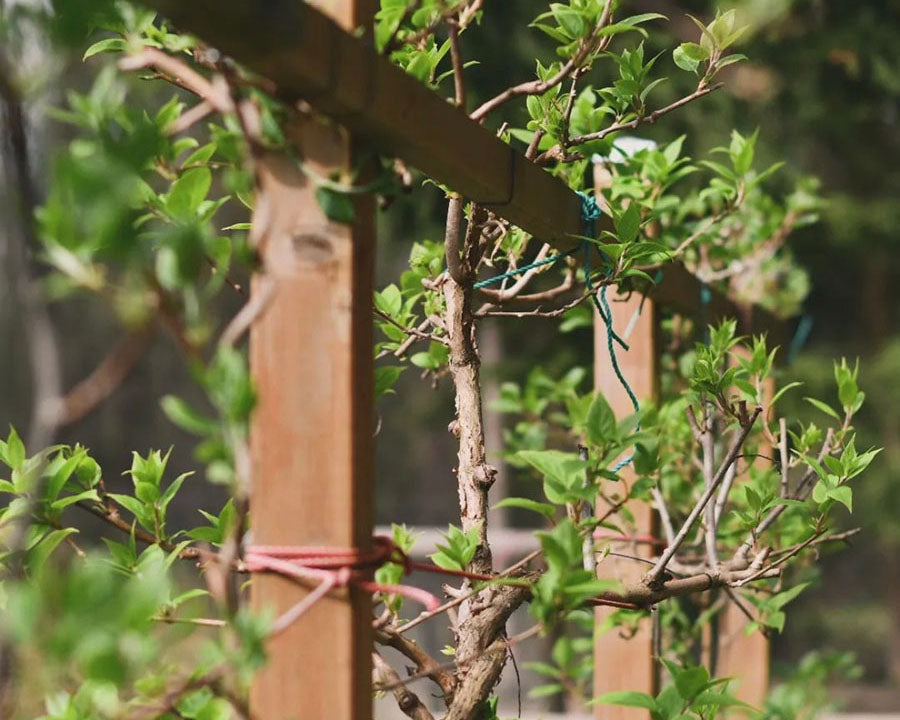
Kiwi berries need to be kept outdoors in both summer and winter. They prefer a partially shaded to sunny location. Since they are climbing plants, they require support (e.g., a trellis, pergola, or garden fence).
The soil should be slightly acidic and able to retain water well so that the roots do not dry out.
Hardy and robust
Care
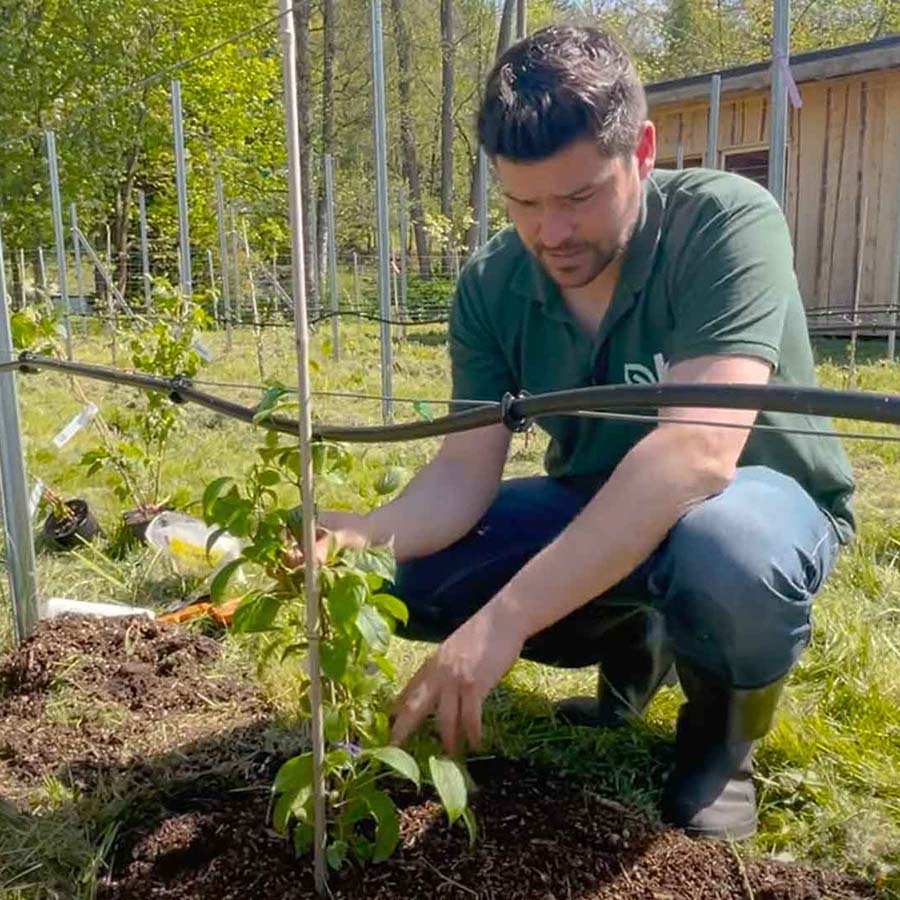
Kiwi berries are extremely robust, easy to care for and hardy to -25°C.
They don't require any special care, just regular watering, pruning as needed, and fertilizer. Winter protection isn't necessary.

bee-friendly
pollination
To produce fruit, female flowers must be fertilized by male pollen. Fortunately, insects, primarily bees, take care of this for us.
All they need is a male kiwiberry (Actinidia arguta) nearby.

Vitamin C booster
superfood
Despite their high vitamin C content, kiwi berries offer a balanced sugar-acid ratio. They are also rich in antioxidants and fiber, making them a great addition to a healthy diet.
Kiwi berries can be kept for several weeks when refrigerated and for several months when frozen.
Family tradition
Our kiwi nursery
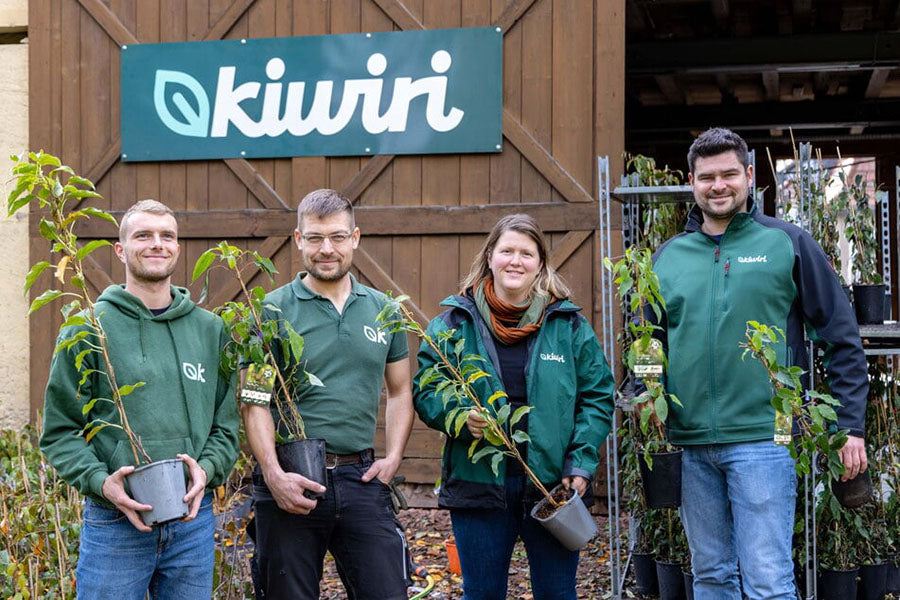
We've been cultivating kiwi plants in our kiwi nursery for over 40 years. We support hobby gardeners and farmers in their cultivation and ship our plants throughout Europe.
Our nursery team is always available to answer any questions you may have about our plants.
-
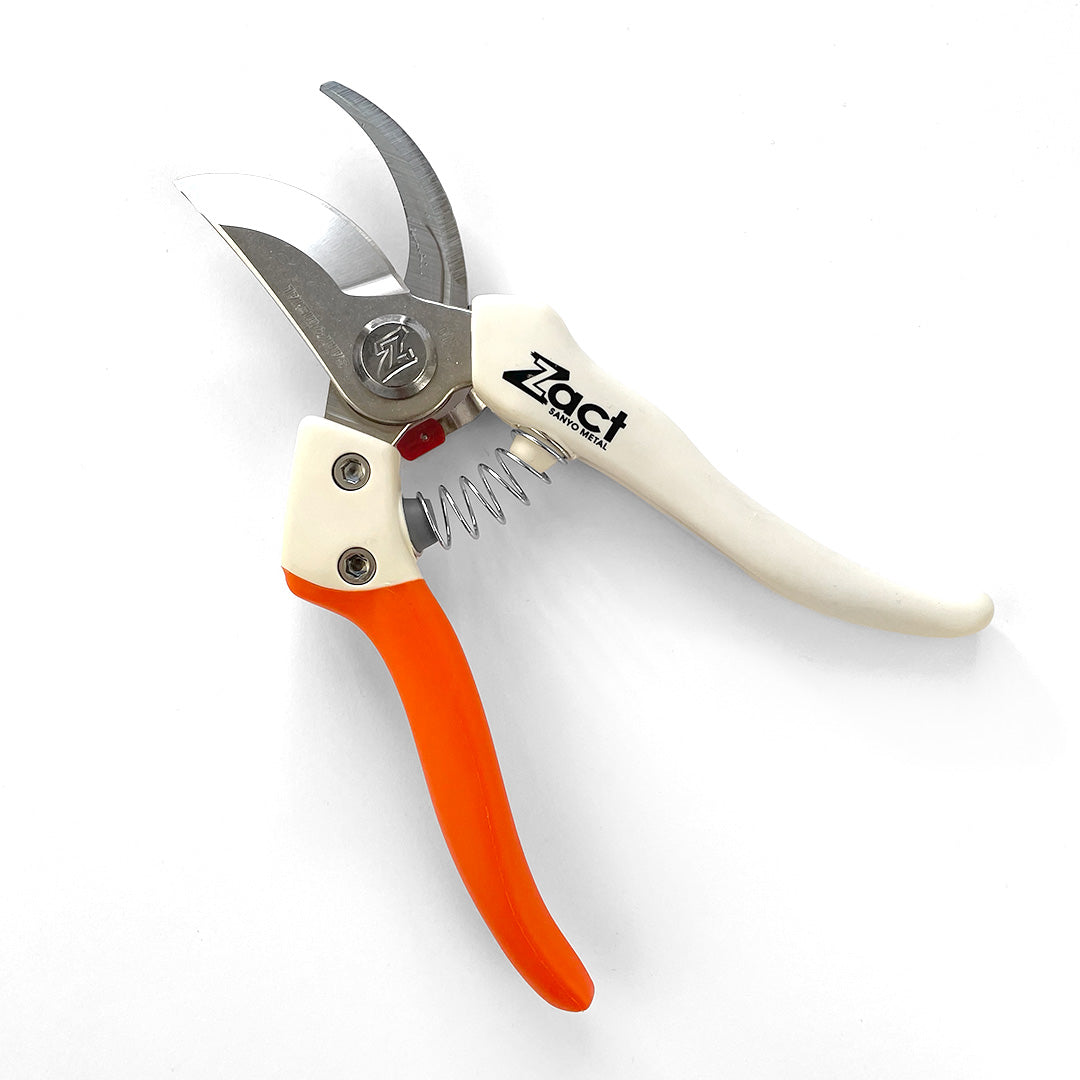
garden tools
Reliable garden tools for your kiwi garden – used daily by our...